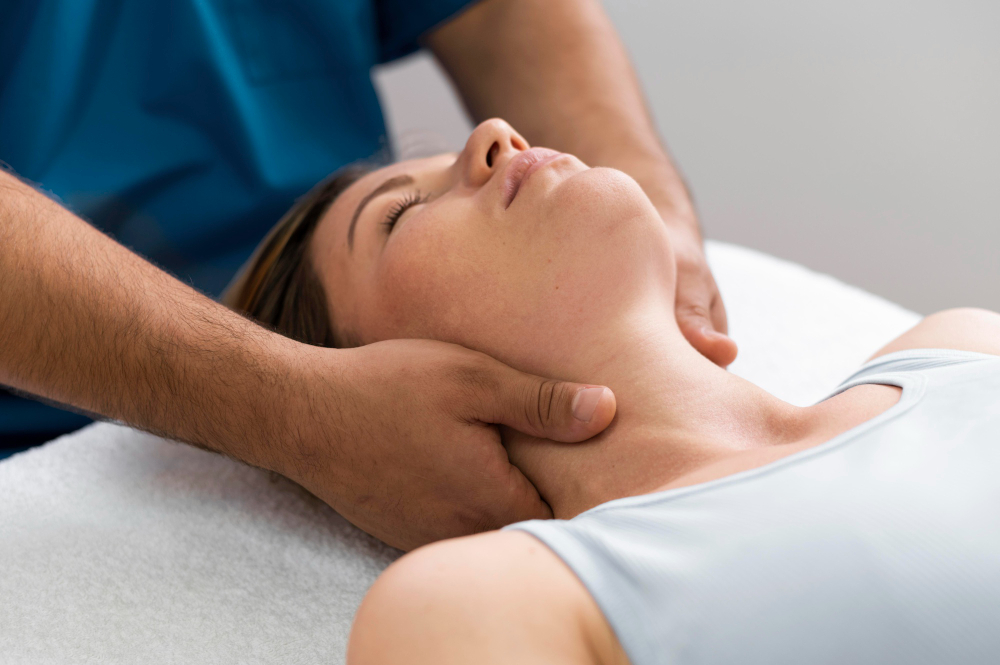
Orthopedic care focuses on the diagnosis, treatment, prevention, and rehabilitation of conditions affecting the musculoskeletal system. This includes bones, joints, ligaments, tendons, muscles, and nerves. Orthopedic specialists—commonly known as orthopedic doctors or orthopedic surgeons—are trained to manage a wide range of conditions, from minor injuries to complex surgical needs.
Orthopedic care can address both acute and chronic issues. Some commonly treated conditions include:
Fractures and Dislocations: Resulting from accidents or injuries, requiring proper alignment and healing support.
Arthritis: Inflammatory conditions affecting joints, commonly seen in older adults.
Back and Neck Pain: Often caused by disc problems, posture issues, or muscle strain.
Sports Injuries: Such as ligament tears (e.g., ACL injuries), tendonitis, or joint instability.
Carpal Tunnel Syndrome: Nerve compression in the wrist leading to hand pain or numbness.
Joint Disorders: Including hip, shoulder, or knee problems that may require medical or surgical management.
Common Conditions in Orthopedic Practice
Diagnosis and Treatment Method
Orthopedic diagnosis typically involves physical examinations, imaging tests like X-rays or MRIs, and patient history evaluations. Treatment may vary depending on the severity and type of condition and can include:
Physical Therapy: Rehabilitation exercises to improve strength, mobility, and function.
Medications: For pain relief or inflammation control.
Orthopedic Supports: Braces, splints, or orthotic devices to aid recovery.
Minimally Invasive Procedures: Such as arthroscopy for joint problems.
Surgical Interventions: When conservative treatments are ineffective.
Importance of Timely Care
Early assessment and treatment are essential to prevent complications, improve recovery, and maintain quality of life. Delayed care may lead to worsening symptoms or long-term functional limitations.
Preventive Measures
Maintaining musculoskeletal health involves:
Regular exercise to strengthen muscles and improve joint flexibility.
Maintaining a healthy weight to reduce pressure on joints.
Using proper techniques during physical activities.
Seeking medical advice for persistent pain or discomfort.
When to Consult an Orthopedic Doctor
It is advisable to consult an orthopedic specialist if you experience:
Persistent joint or muscle pain that interferes with daily activities
Reduced range of motion in a joint
Swelling or stiffness that does not improve with rest
Injuries from falls, sports, or accidents
Numbness, tingling, or weakness in the limbs
Scheduling and Consultation
Orthopedic doctors can provide guidance on appropriate diagnostic tests, treatment plans, and rehabilitation options based on individual needs. Seeking professional evaluation can help prevent long-term complications and support better musculoskeletal health.